 11
11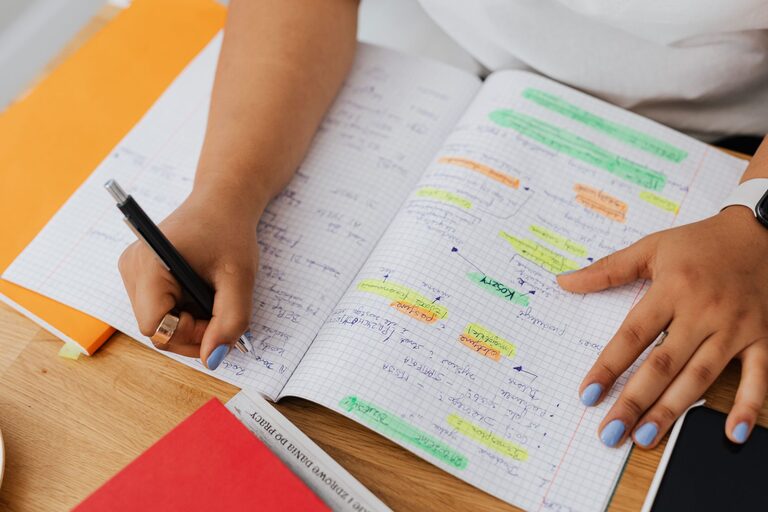
Choosing the right notebook can make a big difference in how often you use it and how productive you feel. Whether you want to jot down ideas, keep a diary, or organize tasks, picking a notebook that suits your preferences and lifestyle is key. In this post, we’ll explore how to select a notebook you’ll actually use, covering everything from size and paper quality to design and purpose.
A notebook isn’t just a bunch of paper bound together. It’s a tool that supports your creativity, organization, or learning. If the notebook feels uncomfortable or impractical, you might avoid using it — no matter how good your intentions are. On the other hand, a well-chosen notebook can inspire and motivate you to write regularly.
Before you buy a notebook, think about how you plan to use it:
– Daily journaling or diary: You might want a notebook that feels inviting and personal.
– Work or school notes: Durability and organization features can be important.
– Creative writing or sketching: Paper quality and size matter more.
– Planning and to-do lists: Look for notebooks with helpful layouts or sections.
Knowing your main purpose helps narrow down your options.
Notebooks come in many sizes. The size you pick affects where and how you use it.
– Pocket-sized (A6 or smaller): Great for quick notes on the go, but limited space.
– Medium (A5 or similar): A popular choice for everyday use, balancing space and portability.
– Large (A4 or bigger): Offers plenty of room but can be bulky.
Think about when you’ll carry your notebook and how much writing space you need.
The feel of the paper influences your writing experience.
– Weight: Heavier paper (80-120 gsm) prevents ink from bleeding through.
– Texture: Smooth paper suits fountain pens, while rougher textures work well with pencils.
– Color: White paper is standard, but cream or tinted options can reduce eye strain.
– Ruled, grid, or blank: Choose the line style that matches your writing or drawing style.
If possible, test the paper with your preferred pen or pencil to ensure comfort.
How the notebook is bound affects how it opens and wears over time.
– Spiral binding: Allows the notebook to lay flat and fold back, ideal for note-taking.
– Sewn binding: Durable and lies flat once broken in, a traditional option.
– Glue binding: Can be less durable and might not open flat.
– Hardcover vs. softcover: Hardcover protects your notes better, but softcover is lighter and more flexible.
Choose what fits your handling habits and environment.
Some notebooks come with added features that can improve usability.
– Pre-printed sections: For planners or specialized notebooks (budget, gratitude journals).
– Page numbers and indexes: Helpful for organizing and finding information quickly.
– Pockets: Great for storing receipts, stickers, or loose papers.
– Elastic closure and pen loops: Keep your notebook closed and your pen handy.
Consider features that add convenience without cluttering the notebook.
A notebook that looks good to you encourages use.
– Choose colors, patterns, and cover materials that you like.
– Some people prefer minimalist designs, while others enjoy artistic covers.
– Personalizing your notebook with stickers or labels can also boost your attachment.
When you enjoy the look and feel of your notebook, it becomes more than just a tool.
Notebooks come in a wide price range. Decide how much you want to invest, considering:
– Quality vs. cost: Higher quality notebooks may last longer.
– Sustainability: Look for notebooks made from recycled paper or from brands with eco-friendly practices.
Buying consciously ensures you feel good about your choice.
The perfect notebook is one that fits your life and motivates you to write, plan, or create regularly. By considering your use case, size, paper quality, binding, and style, you can choose a notebook that feels right. Remember, the best notebook is the one you want to open every day. Happy writing!