 11
11
Cleaning up after dinner can sometimes feel like the hardest part of the meal. But with a few smart strategies, you can make the process faster, easier, and less stressful. Whether you cook every night or occasionally whip up meals, these ideas will help you tackle dinner cleanup with confidence and efficiency.
One of the best habits to develop is cleaning while you cook. Instead of waiting until after the meal is finished, rinse and load dishes into the dishwasher or wash pots and utensils during downtime, such as when food is simmering. This reduces the pile-up of dirty dishes later.
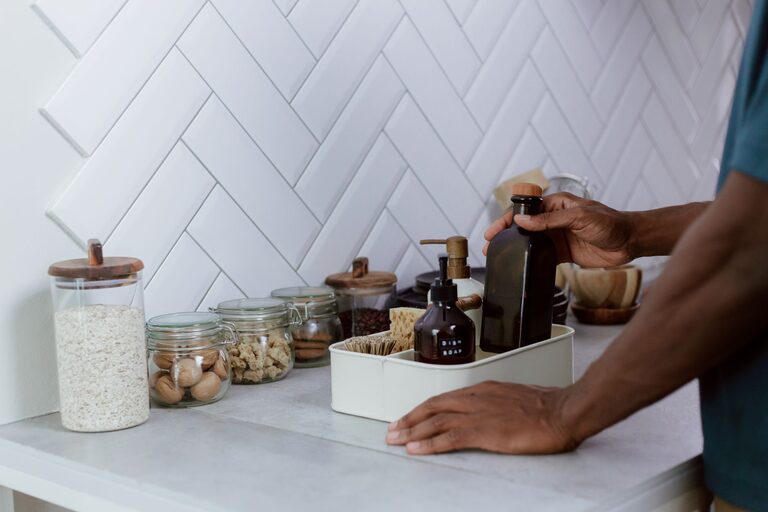
Before you begin cooking, organize your sink area with dish soap, scrubbers, and a drying rack. Having all your cleaning tools within reach makes it easier to tackle messes immediately.
Instead of chopping and leaving ingredients scattered on the counter, use small bowls for each item. This keeps your workspace tidy and means fewer spills and scraps to clean up later.
Meals cooked in a single pot, pan, or sheet tray naturally minimize the number of dishes used. Soups, stir-fries, casseroles, and sheet-pan dinners can cut cleanup time significantly.
Using parchment paper or aluminum foil to line baking trays helps prevent food sticking and reduces scrubbing afterward. You can just toss the liner when you’re done.
Silicone baking mats are great for easy cleanup and are reusable, making them an eco-friendly alternative to foil or parchment paper.
Fill pots, pans, and utensils with warm soapy water right after use to loosen food particles. This makes scrubbing quicker and prevents stuck-on grime.
Place dishes in the dishwasher as you finish with them rather than piling them in the sink. Make sure to load items correctly so they clean well and the dishwasher can run full loads.
Spills and splatters are easier to clean when they’re fresh. Wipe down countertops, stovetops, and table surfaces immediately after cooking or eating to prevent stains and sticky residues.
Store dish towels, scrubbers, and cleaners within easy reach in your kitchen. When cleaning tools are accessible, you’re more likely to use them promptly.
If you share your home with family or roommates, assign specific cleanup duties. Even small contributions like clearing the table or rinsing dishes can speed up the process.
Having a compost bin nearby makes it easy to dispose of vegetable peelings and food waste without making a mess. It also keeps your trash can cleaner.
Besides daily cleanup, set aside time weekly or monthly for deeper cleaning of your kitchen appliances, sink drain, and cabinets. Regular maintenance prevents buildup that’s harder to clean later.
Create a simple, consistent routine for cleaning after dinner. For example: clear the table, rinse plates, load dishwasher, wipe surfaces, and sweep the floor. A pattern helps cleanups become automatic and less daunting.
Sometimes a little motivation helps. Set a timer for 15–20 minutes to tidy up and play upbeat music during this time to make the task more enjoyable.
—
Dinner cleanup doesn’t have to be a dreaded chore. By preparing smartly, simplifying your cooking, and adopting efficient habits, you’ll save time and keep your kitchen sparkling with less effort. Start with one or two of these ideas and watch how they transform your after-meal routine!