 11
11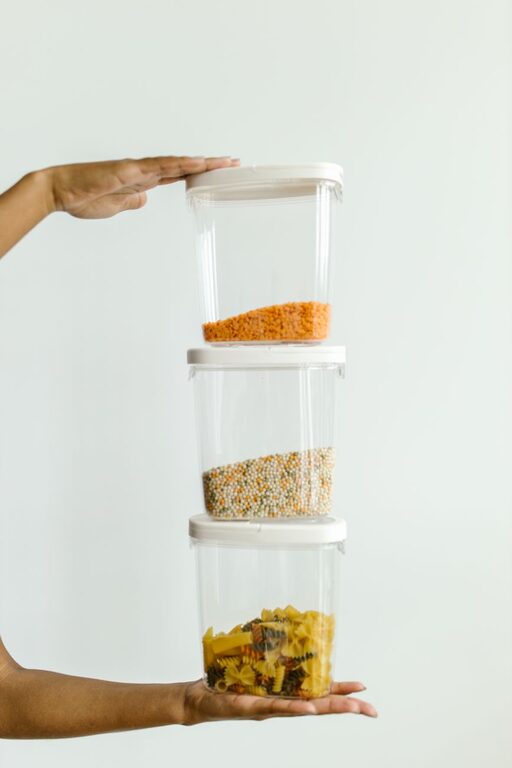
Meal planning can often feel overwhelming, especially when your fridge is low but your pantry is full. Learning how to plan meals using pantry staples not only helps reduce food waste but also saves time and money. With a well-stocked pantry and a bit of creativity, you can whip up tasty and nutritious meals any day of the week.
In this post, we’ll guide you through understanding pantry essentials, organizing your pantry, and planning balanced meals using what you already have. Let’s get started!
Pantry staples are non-perishable or long-lasting ingredients you keep on hand to prepare meals. These might include:
– Dry goods like rice, pasta, and beans
– Canned items such as tomatoes, beans, and tuna
– Baking essentials like flour, sugar, and baking powder
– Cooking oils and vinegars
– Spices and dried herbs
– Broth or stock
– Shelf-stable sauces and condiments
Having a variety of these basics allows you to create many different dishes without needing a last-minute grocery run.
– Convenience: Easily create meals without relying on fresh ingredients.
– Cost-effective: Use what you already have, reducing grocery bills.
– Less food waste: Prevent food from expiring unused by planning around it.
– Flexibility: Mix and match ingredients for endless meal possibilities.
Before planning meals, know what’s in your pantry. Here’s how:
An organized pantry makes meal planning easier:
– Store frequently used items at eye level.
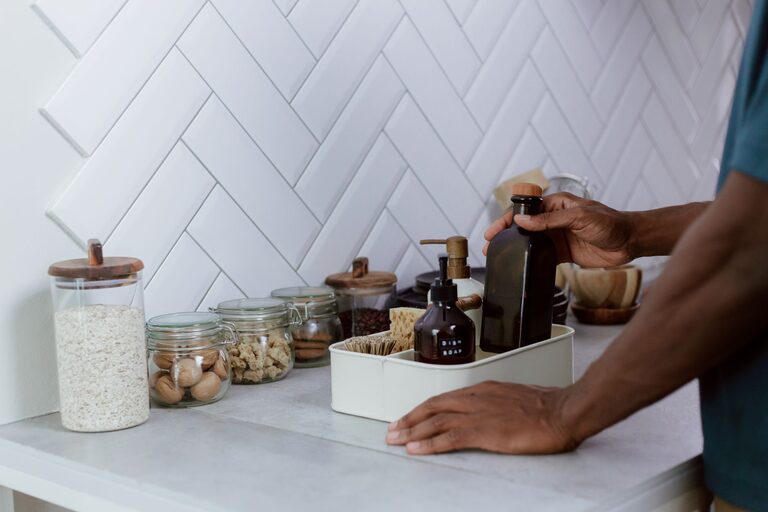
– Use clear containers for grains and dry goods.
– Label shelves or containers for quick access.
– Keep recipes or meal ideas near your pantry as inspiration.
Here are tips to help you plan meals using your pantry items:
Start by choosing a main pantry staple:
– Rice: Fried rice, rice bowls, or stuffed peppers.
– Pasta: Classic pasta dishes, pasta salads, or casseroles.
– Beans or lentils: Soups, stews, or veggie burgers.
Enhance meals with these pantry items:
– Canned tomatoes: Use for sauces or soups.
– Spices: Create different flavor profiles (Italian, Mexican, Indian).
– Oils and vinegars: For cooking and dressings.
– Broth: Base for soups or cooking grains.
If you have fresh veggies, eggs, or cheese, add them to your pantry-based meals for extra flavor and nutrition.
Ensure your meals include:
– Carbohydrates: Rice, pasta, potatoes.
– Protein: Beans, lentils, canned tuna, nuts.
– Veggies: Fresh, frozen, or canned.
– Healthy fats: Olive oil, nuts, seeds.
– Templates: Use weekly meal planners to map meals based on pantry items.
– Apps: Some apps let you input your ingredients and suggest recipes.
– Recipe collections: Bookmark recipes that use pantry staples for quick reference.
– Pasta
– Canned diced tomatoes
– Canned white beans
– Garlic and Italian seasoning
– Olive oil
Cook pasta and beans with tomatoes and seasonings in one pot for an easy meal.
– Lentils
– Rice
– Vegetable broth
– Canned carrots or corn
– Spices like cumin and paprika
Combine all ingredients and simmer until tender—perfect for chilly days.
– Canned chickpeas
– Olive oil and vinegar
– Dried herbs
– Optional: canned corn or olives
Mix for a quick, protein-rich salad or sandwich filling.
– Pasta
– Canned tuna
– Canned cream soup or make a simple sauce
– Cheese (if available)
Bake until hot and bubbly for a comforting dish.
– Restock staples as you use them.
– Rotate items to use older products first.
– Experiment with new pantry ingredients to add variety.
– Keep a few quick meal items on hand (canned soups, instant rice).
Planning meals from pantry staples is a smart, sustainable way to cook. It reduces food waste, saves money, and keeps your kitchen stress-free. With a little organization and creativity, your pantry can become the heart of your meals.
Happy cooking!