
 11
11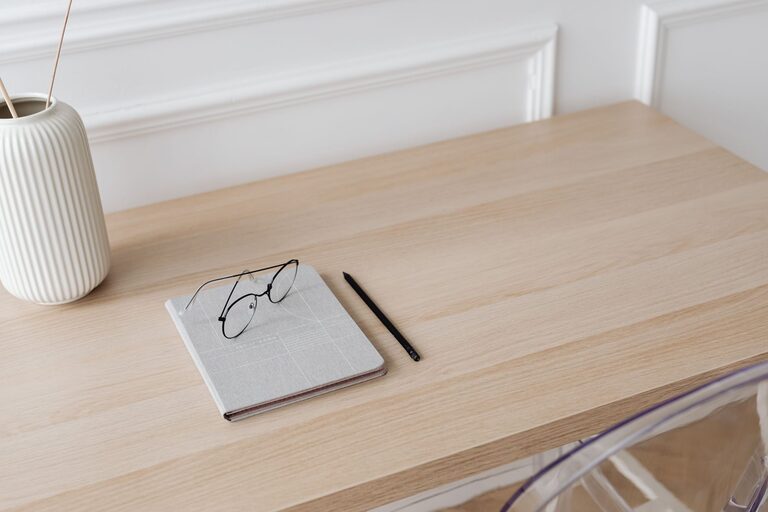
Creating a relaxing home workspace is essential for maintaining focus, reducing stress, and enhancing productivity—especially if you spend a significant amount of time working from home. A well-designed workspace helps you separate work from relaxation while encouraging creativity and comfort. Whether you have a dedicated room or just a small corner, this guide will walk you through practical steps to create a calm and inviting environment tailored to your needs.
Spending hours in a cluttered or uncomfortable workspace can affect your mood and work quality. When your surroundings feel chaotic or uninspiring, it’s harder to concentrate and stay motivated. On the other hand, a relaxing workspace can:
– Improve mental clarity and focus
– Reduce feelings of anxiety and stress
– Boost creativity and task efficiency
– Encourage healthy work habits
Now, let’s explore how you can transform your area into a soothing spot that supports your daily tasks.
Start by selecting a part of your home that is quiet and has minimal distractions. This could be a spare room, a corner of your living room, or even a section of your bedroom. Ideally, choose a place where you feel comfortable and can control noise levels.
Natural sunlight has a calming effect and can enhance mood and alertness. Position your desk near a window if possible, allowing natural light to flood your workspace. If that’s not an option, invest in quality daylight bulbs that mimic natural light.
A cluttered desk can lead to a cluttered mind. Keep only essential items on your workspace and store the rest in drawers or shelves. Use organizers like trays, pen holders, and file racks to keep things tidy.
Shelving units, storage bins, and cabinets help keep your workspace neat and organized. Label your storage to easily find what you need without creating mess.
An ergonomic chair supports your posture, reducing strain on your back and neck. Look for chairs with adjustable height, lumbar support, and comfortable cushioning.
Your desk should be spacious enough to accommodate your computer and workspace essentials without feeling cramped. Adjustable desks that allow you to switch between sitting and standing can be a good option for movement and comfort.
Colors influence mood. Soft blues, greens, and neutrals like beige and light gray create a peaceful atmosphere. Avoid overly bright or harsh colors in your workspace as they can be distracting.
Decorate your workspace with items that make you feel relaxed and inspired—such as plants, artwork, or photos. Plants, in particular, add a touch of nature and improve air quality.
If background noise is unavoidable, noise-canceling headphones can help you focus. Alternatively, white noise machines or apps provide consistent sounds that mask distractions.
Soft textiles like rugs, curtains, and cushions absorb sound and reduce echo. Consider adding these elements to your workspace to minimize noise.
Besides natural light, use adjustable desk lamps to control brightness. Warm lighting reduces eye strain and helps create a cozy atmosphere.
Place your computer screen at eye level and about an arm’s length away to reduce neck strain and eye fatigue. Anti-glare screens can also help if you work near windows or bright lamps.
Incorporate short breaks throughout your workday to stretch, move around, or relax your eyes. This helps maintain energy and focus.
Simple breathing exercises or mindfulness practices can reduce stress when working at home. Consider setting aside a few minutes before or during work to center yourself.
Keep a water bottle nearby and have healthy snacks accessible. Staying hydrated and nourished sustains focus and energy.
Adjust the room temperature to a comfortable level. Neither too hot nor too cold environments help keep your mind calm and attentive.
—
Creating a relaxing home workspace is about combining functionality with comfort and personal style. With the right setup, you can enjoy a productive workday free from unnecessary stress. Take the time to design a space that feels good to be in, and you’ll likely notice positive changes in both your mood and work efficiency.